

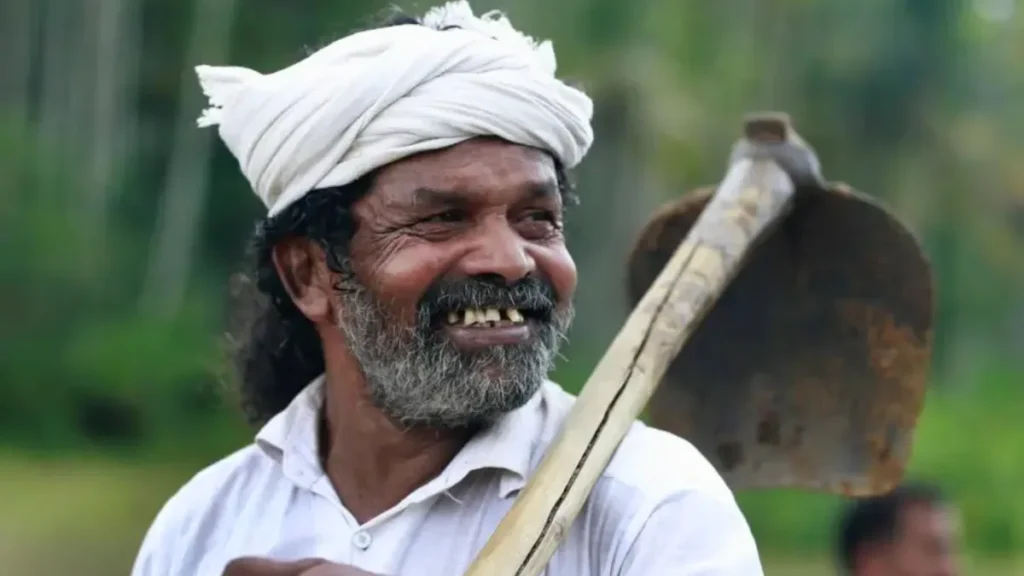
Cheruvayal Raman’s work attracted agricultural researchers, students and conservationists from India and abroad. Visitors came to his Wayanad farm to learn about traditional paddy varieties and indigenous farming methods.
Wayanad: Cheruvayal K. Raman, the Padma Shri recipient known for safeguarding traditional paddy varieties, died on Wednesday, October 14, 2026, at the age of 74. The farmer, who hailed from Kammana in Wayanad, Keralam, was receiving treatment at Kozhikode Medical College Hospital.
Widely known as ‘Nellachan’, a name associated with the father of paddy, Raman spent much of his life protecting indigenous rice varieties at a time when traditional farming was losing ground to commercial agriculture. Through years of cultivation and seed conservation, he helped preserve valuable agricultural knowledge and encouraged other farmers to continue growing native crops.
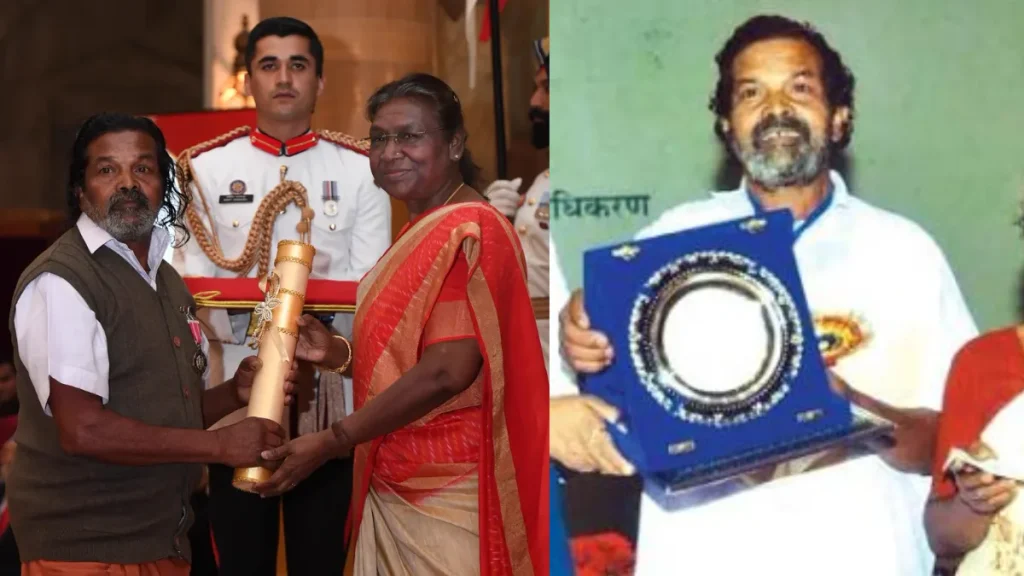
His work earned national recognition with the Padma Shri in 2023. He also received the Plant Genome Saviour Award and was selected for the Keralam government’s inaugural Oommen Chandy memorial award for his contribution to agriculture.
From Family Responsibility to a Lifelong Mission
Born on June 6, 1952, in the Mananthavady region of Wayanad, Raman belonged to the Kurichya tribal community, known for its long-standing farming traditions. He developed his understanding of agriculture through hands-on experience and the knowledge passed down through generations.
Raman took charge of his family’s farmland and traditional seed collection when he was 17, following the death of his maternal uncle. The responsibility eventually grew into a lifelong effort to conserve indigenous crops.
His work was rooted in practical farming experience rather than formal academic training in agriculture or botany. By observing seasonal changes, soil conditions and crop performance, he continued practices that had been maintained by earlier generations.
Over the years, Raman conserved more than 50 traditional rice varieties native to Wayanad and also maintained varieties originating in other parts of Keralam. His collection included Chennelu, Thondi, Chembakam, Veliyan, Gandhakasala and Kayama. These varieties reflected the region’s diverse farming traditions, local food habits and agricultural history.
Cultivating Seeds to Keep Them Alive
Raman’s ancestral farm in Kammana served as a field-based repository for traditional rice varieties. Instead of preserving seeds only in storage, he grew different varieties regularly, collected their harvests and retained seeds for subsequent planting.
Growing and renewing traditional seeds helps maintain their availability for future cultivation. Raman’s continued efforts were especially significant as the popularity of conventional paddy farming declined in parts of Wayanad.
He also shared seeds with other cultivators, including farmers from tribal communities, without charging them. This allowed more people to grow traditional varieties and helped extend conservation beyond his own farmland.
His approach showed that preserving agricultural diversity requires more than keeping seeds in storage. Continued cultivation and the participation of farming communities are also essential to keeping these varieties in use.
Also Read :- CMRL Pay-Off Case: Kerala Vigilance Files Two FIRs Naming Pinarayi Vijayan and Family Members
Why Wayanad’s Indigenous Rice Heritage Matters?
Wayanad’s agricultural landscape has changed considerably over the years. Farmers have increasingly shifted from paddy to commercial crops such as coffee, pepper and ginger. Changing economic priorities and the conversion of agricultural land have also contributed to the decline of traditional rice cultivation.
As native varieties disappear from fields, the genetic diversity they contain and the farming knowledge associated with them may also be lost. Different indigenous varieties can possess characteristics suited to particular growing conditions, although these traits vary from one variety to another.
Such characteristics may include adaptation to local soils, tolerance to certain pests or the ability to cope with specific water and weather conditions. Conserving a wide range of rice varieties can therefore help maintain options for future farming and research.
Raman’s work highlighted the role individual farmers can play in protecting this diversity. His sustained cultivation and distribution of seeds helped keep traditional varieties accessible to other growers, even as agricultural practices changed.
Recognition Across India and Abroad
Raman’s work drew interest from researchers, students and people involved in agricultural conservation. Visitors travelled to his farm to learn about native paddy varieties and the traditional methods used to cultivate them.
He also took part in agricultural gatherings beyond Wayanad. Reports have recorded his participation in international events, including a world agricultural seminar in Brazil, where he could share his experience with a wider audience.
His selection for the first Oommen Chandy memorial award in 2026 added to the recognition he had received for his contribution to farming. The award included a cash prize of ₹5 lakh, a citation and a plaque.
The honours acknowledged decades of work carried out largely through regular farming, careful seed selection and the sharing of knowledge. Raman’s efforts were particularly important at a time when many farmers faced economic incentives to move away from traditional paddy cultivation.
His legacy will depend on whether the rice varieties he helped preserve continue to be grown, documented and studied. Supporting farmers who maintain indigenous seeds and passing traditional agricultural knowledge to younger generations will be vital to keeping that heritage alive.
